
What Are Integrative Therapies in Assisted Living?
Integrative therapies refer to health and wellness practices that complement conventional medical care, focusing on the person as a whole. In assisted living communities, these approaches are used to enhance comfort, mental clarity, physical function, and quality of life. They can include gentle movement, hands-on techniques, relaxation exercises, and creative outlets that work alongside medications or other treatments prescribed by medical professionals.
For residents in assisted living settings, integrative therapies are designed to be accessible and adaptable, addressing everyday challenges related to aging, chronic conditions, mobility limitations, or social isolation. While not intended to replace standard care, they often help residents feel more engaged, soothed, and capable.
Which Integrative Therapies Are Common in This Area?
The most commonly available integrative therapies in residential environments include:
- Music and art therapy: Facilitated sessions using familiar songs, instruments, painting, or crafts can stimulate memory and provide emotional release.
- Gentle exercise: Chair yoga, tai chi, or guided stretching help with balance and flexibility, requiring minimal space or equipment.
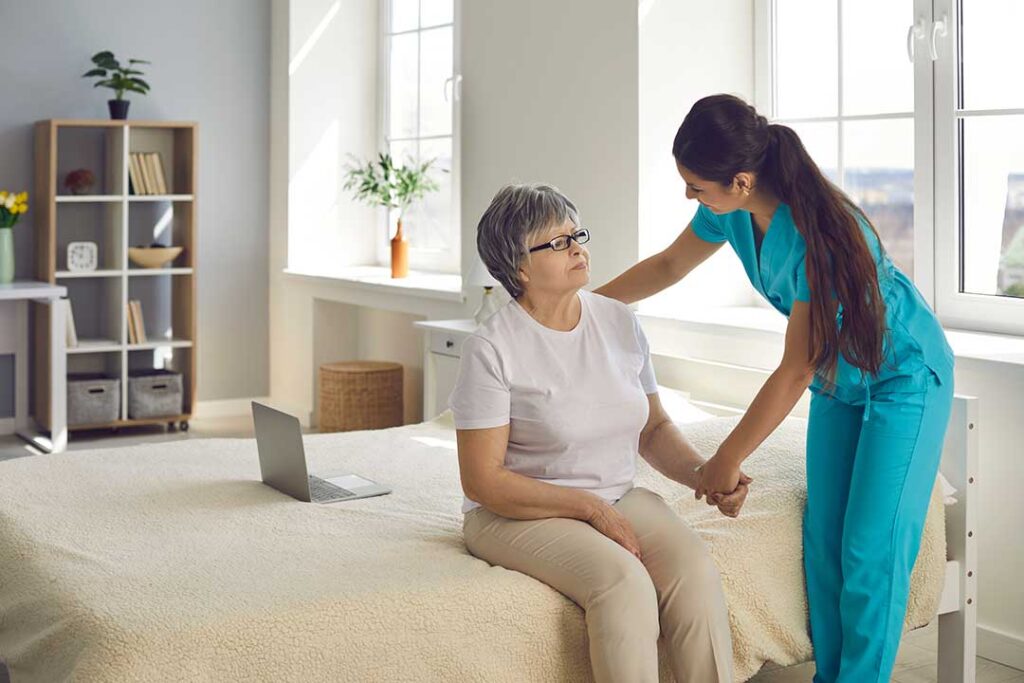
- Massage and touch-based therapies: Modified approaches like hand or shoulder massage, Reiki, or gentle acupressure can reduce discomfort and create feelings of connection.
- Meditation and guided imagery: Brief breathing, visualization, or mindfulness sessions can help residents manage anxiety, pain, or restlessness.
- Pet or nature-assisted activities: Supervised visits from therapy animals or gardening sessions encourage movement, joy, and routine.
Meadville experiences four distinct seasons, so integrative therapy sessions often adapt to indoor settings in winter or during rainy weather. During milder months, activities like walking meditation or birdwatching in outdoor courtyards can enhance sensory stimulation and mood.
How Are Integrative Therapies Adapted for Older Adults?
Most practices are tailored for the unique needs and abilities of residents. Adaptations may include:
- Seated or bed-based versions of movement and relaxation exercises
- Use of soft, accessible art materials and larger tools for those with arthritis
- Shorter session length, with breaks as needed
- Extra safety measures to prevent falls or fatigue
In city communities where room may be limited and residents vary widely in mobility, these adaptations are crucial. Facilitators often work closely with nursing staff to monitor each resident’s comfort and response, adjusting techniques to fit individual needs.
What Are the Potential Benefits for Residents?
Residents often ask whether these approaches will genuinely make a difference for them. The immediate benefits are generally subjective and vary widely, but some common positive outcomes may include:
- Reduced anxiety or agitation, especially during seasonal transitions or unexpected changes in health
- Improved sleep quality and relaxation, particularly after calming activities
- Mild pain relief, when therapies ease tension or distract from chronic discomfort
- Greater sense of belonging, as group sessions encourage conversation and shared experience
- Stimulation of memory and communication, especially through music, art, or sensory activities
Residents and families should have realistic expectations: integrative therapies are not cures, but they often help make daily life more pleasant and manageable, supporting overall wellbeing.
Can Integrative Therapies Replace Standard Medical Treatment?

Integrative therapies should never be viewed as a substitute for medical diagnosis, care plans, or prescribed treatments. Instead, they are intended to work alongside primary care. In assisted living settings, staff often coordinate these activities under the guidance of a nurse or medical director to ensure that therapies complement each resident’s health needs.
Residents sometimes assume that “natural” therapies are always safer or better, but even gentle approaches should be matched to an individual’s medications, medical conditions, and sensitivities. Open communication with staff is essential before trying or continuing any new therapy.
How Do Local Climate and Seasonal Changes Affect Access?
Area households know that cold winters, wet springs, and summer allergies shape daily routines. Integrative therapy programs in the city usually offer indoor options year-round to keep residents engaged no matter the weather:
- Indoor walking clubs, stretching routines, or music groups continue through snow or rain
- Nature-themed activities, such as herb planting in containers, bring a touch of the outdoors inside
- Sunlit common rooms and windowsill gardens support wellbeing when outside access is limited
In milder weather, groups may move outside for fresh air and nature-based mindfulness or movement sessions that use local scenery as inspiration.
Do Residents Need Special Training or Equipment?
Participation in integrative sessions rarely requires any special equipment from residents themselves. Most materials—such as art supplies, musical instruments, or adaptive exercise tools—are typically provided as part of the community’s activity program. Residents may wish to bring personal items (such as favorite music or lightweight blankets), but this is optional.
There is no need for residents to have prior experience with these therapies. Facilitators explain and demonstrate each activity in simple, practical terms, encouraging everyone to move at their own pace. This helps newcomers feel welcome and supported.
Are There Any Risks or Misconceptions?
While most integrative therapies are safe, some residents have concerns about side effects, privacy, or feeling self-conscious in group settings. It is helpful to remember:
- Therapies are completely voluntary—residents may opt out of any session at any time
- Facilitators are trained to recognize discomfort, fatigue, or mobility concerns and modify activities as required
- Activities are designed to be uplifting, not stressful or demanding
Sometimes, residents assume that everyone must be fully alert or physically able to participate. In practice, therapies are often most beneficial when gently adapted for people living with dementia, vision/hearing changes, or limited movement. Small gestures—listening to music, feeling textured objects, or joining in creative projects—can be meaningful even for those with advanced health needs.
