

Assisted living can support mental health by providing routine, social connection, help with daily tasks, and opportunities for meaningful activity. It does not replace medical or behavioral health care, but a supportive setting may make it easier to notice changes and respond before concerns become severe.
What mental health concerns are common among older adults?
Older adults may experience depression, anxiety, grief, loneliness, sleep problems, or stress related to illness and changing independence. These concerns are not an unavoidable part of aging. Depression, in particular, can be treated, but it may be overlooked when symptoms appear as tiredness, pain, poor appetite, memory problems, or withdrawal. ([cdc.gov](https://www.cdc.gov/healthy-aging/about/depression-aging.html?utm_source=openai))
A move to assisted living can bring relief and worry at the same time. A person may appreciate help with meals, medications, housekeeping, or transportation while also grieving a former home, neighborhood, routine, or role in the family. Moving is a major life change, and adjustment may take weeks or months. ([nia.nih.gov](https://www.nia.nih.gov/health/assisted-living-and-nursing-homes/long-term-care-facilities-assisted-living-nursing-homes?utm_source=openai))
Mental health also affects physical health. Anxiety may lead to missed meals, poor sleep, or avoidance of activities. Depression can reduce motivation to bathe, take medications, attend appointments, or socialize. These changes deserve attention rather than being dismissed as normal aging.
How can assisted living affect emotional well-being?
A predictable daily routine can reduce the number of decisions a resident must manage alone. Regular meals, medication reminders, scheduled activities, and familiar staff may help create stability.
Social opportunities can also protect mental health. Shared meals, conversation, exercise, music, crafts, religious observance, and outdoor time can help residents maintain relationships and a sense of purpose. However, living near other people does not automatically prevent loneliness. A resident may attend group activities and still feel isolated, especially after a major loss or when hearing, vision, mobility, or language barriers make participation difficult.
The climate and seasonal conditions in Meadville can also affect routines. Snow, ice, shorter daylight, and difficult driving conditions may limit family visits, errands, outdoor walks, and community activities during colder months. A mental health plan should include indoor alternatives and ways to maintain contact when travel is difficult.
What signs suggest that a resident may need additional support?
Changes that persist for two weeks or more deserve discussion with a health care provider or qualified mental health professional. Warning signs may include:
- Ongoing sadness, hopelessness, fear, irritability, or emotional numbness
- Loss of interest in favorite activities
- Significant changes in sleep, appetite, weight, or energy
- Avoiding meals, leaving the apartment, or speaking with others
- Repeated statements about being a burden or having no reason to live
- Increased confusion, suspiciousness, agitation, or unusual behavior
- Trouble managing medications or ordinary personal-care tasks
Family members should compare current behavior with the person’s usual pattern. A quiet resident may not appear distressed in the same way as a highly social resident. Asking directly, “How have you been feeling lately?” is often more useful than asking whether everything is fine.
A sudden change in confusion or behavior should not automatically be labeled dementia or depression. Medication effects, infection, dehydration, pain, metabolic problems, untreated depression, and delirium can all affect thinking or behavior. Sudden confusion requires prompt medical evaluation. ([nia.nih.gov](https://www.nia.nih.gov/health/obtaining-older-patients-medical-history?utm_source=openai))
What can families ask before or after a move?
Mental health support varies among assisted living settings. Families can ask clear, practical questions:
- How are changes in mood, behavior, sleep, or appetite documented?
- Who communicates concerns to the resident’s primary care provider?
- Are counseling, psychiatric, or telehealth visits accommodated?
- How are medications for depression, anxiety, sleep, or dementia monitored?
- What happens if a resident stops attending meals or activities?
- Are quiet spaces available for residents who find group settings overwhelming?
- How are family members included, with the resident’s permission?
- What is the plan during winter weather, power outages, or transportation disruptions?
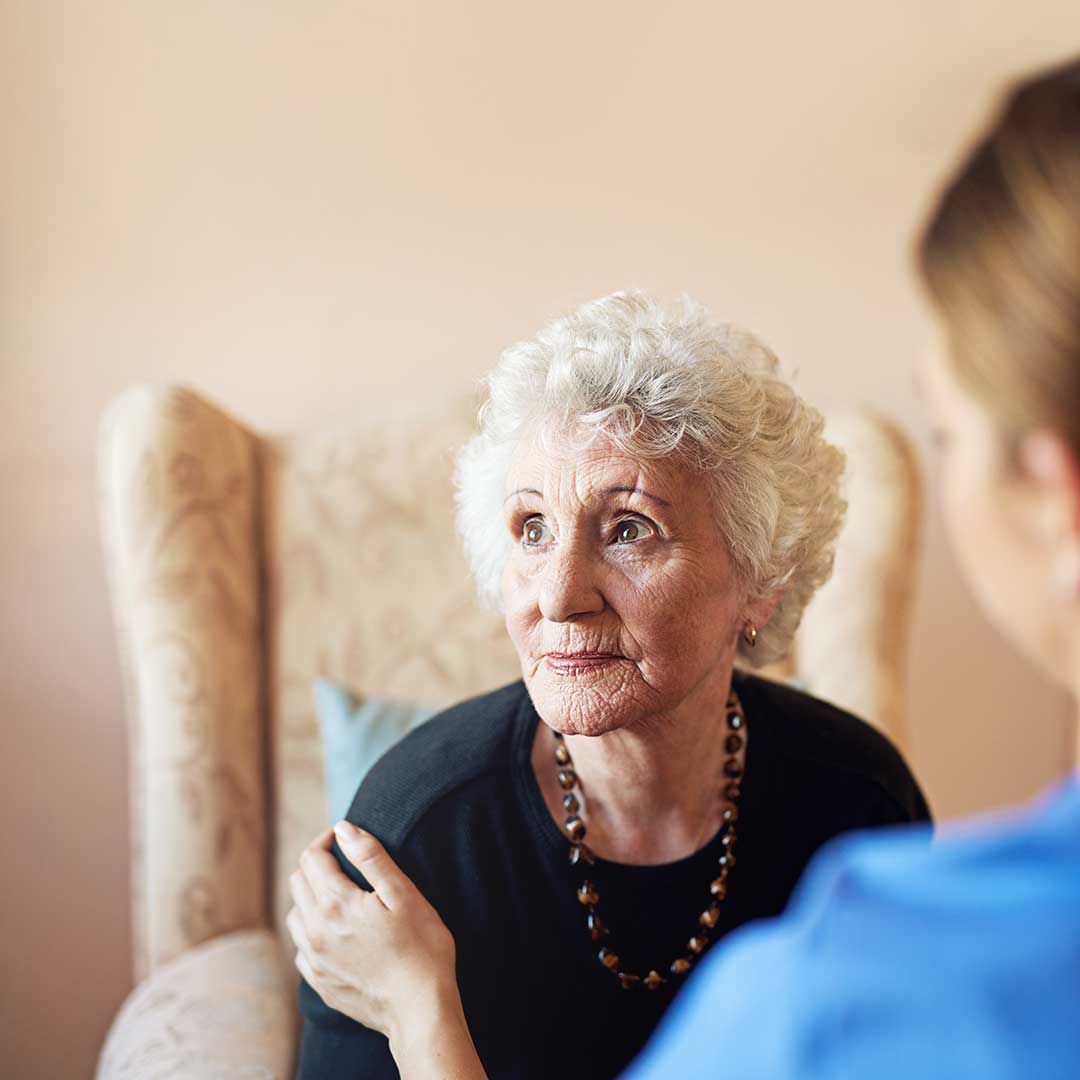
It is also useful to ask the older adult what helps them feel secure. One person may want frequent family calls; another may prefer a small activity, a private conversation, or time outdoors. Personal history, cultural practices, former hobbies, and preferred daily rhythms should inform support.
How can assisted living promote healthy routines?
Mental health support is often built from ordinary daily habits rather than a single activity. Helpful approaches may include:
- Keeping wake-up, meal, medication, and bedtime schedules consistent
- Encouraging movement suited to the resident’s abilities
- Making hearing aids, glasses, and mobility devices easy to use
- Offering activities connected to the resident’s interests and past roles
- Protecting regular family contact through visits, phone calls, or video chats
- Providing natural light and safe opportunities to spend time outdoors
- Respecting privacy while checking in consistently
- Reviewing medications when mood, sleep, balance, or alertness changes
Participation should be invited, not forced. A resident who declines a large group activity may respond well to a one-on-one conversation, a small card game, a familiar song, or helping with a simple task. Purpose can come from being useful, not only from entertainment.
What services may be available in Pennsylvania?
In Pennsylvania, the local Area Agency on Aging is a starting point for information about aging services, transportation, meals, caregiver support, wellness programs, and other community resources. The Pennsylvania Department of Aging also identifies senior community centers, adult day centers, and the PA Link to Aging and Disability Resources as pathways to assistance. ([pa.gov](https://www.pa.gov/agencies/aging?utm_source=openai))
Some programs incorporate depression awareness, activity planning, and connections to primary care or behavioral health services. Availability, eligibility, fees, and transportation can vary by county and individual circumstances, so families should verify current details before relying on a program. ([pa.gov](https://www.pa.gov/agencies/aging/aging-programs-and-services/health-wellness-fitness?utm_source=openai))
Assisted living staff may observe day-to-day changes, but diagnosis and treatment generally require appropriate medical or behavioral health evaluation. A primary care clinician can assess physical causes, review medications, and determine whether counseling, medication, or another form of care may help.
What should happen in a mental health crisis?
If a resident may harm themselves or someone else, has taken an unsafe amount of medication, or cannot be kept safe, call 911 or use the nearest emergency department. For emotional distress or thoughts of suicide, call or text 988 for the Suicide & Crisis Lifeline. The service is free and confidential, with trained counselors available by phone, text, or chat. ([988lifeline.org](https://988lifeline.org/get-help/what-to-expect/?utm_source=openai))
Do not leave a person alone during an immediate safety concern. Remove obvious means of harm only if it can be done safely, and share relevant information about medications, recent behavior changes, medical conditions, and advance directives with emergency responders.
Mental health in assisted living is closely connected to dignity, routine, relationships, physical health, and a person’s sense of control. Care is strongest when residents are listened to, changes are taken seriously, and emotional support is treated as part of whole-person care rather than as a separate concern.
