
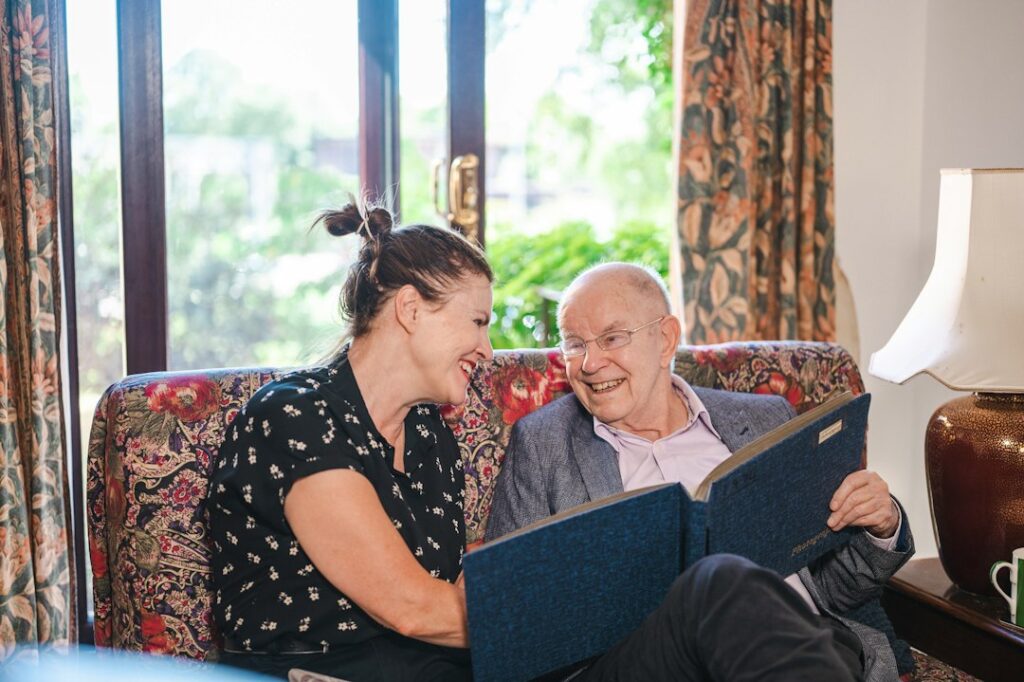
Assisted living communities depend on more than scheduled care and daily routines. Volunteers can add conversation, creativity, companionship, and connections to the wider community. Their role is not to replace trained staff, but to support quality of life in ways that are personal, flexible, and meaningful.
For residents and families in Meadville, PA, understanding what volunteers do can make it easier to recognize appropriate opportunities, ask useful questions, and distinguish companionship from hands-on care.
What do volunteers do in assisted living communities?
Volunteers usually provide social, recreational, educational, or emotional support. Their activities may include visiting with residents, helping with group programs, reading aloud, assisting with crafts, or sharing a skill or hobby.
Common volunteer roles include:
- Friendly visiting and conversation
- Reading books, newspapers, or letters aloud
- Playing cards, board games, or simple tabletop activities
- Helping residents write notes or use video calls
- Supporting music, art, gardening, or exercise programs
- Accompanying residents during approved community activities
- Assisting with seasonal celebrations and decorations
- Bringing trained therapy animals when permitted
- Sharing local history, cooking traditions, crafts, or life experiences
- Helping residents participate in faith-based or cultural programs
A volunteer may spend time with a resident who has few visitors, help someone join a group activity, or offer a familiar conversation topic that makes a routine afternoon feel more engaging.
How are volunteers different from assisted living staff?
Volunteers provide companionship and activity support, while staff members are responsible for care, supervision, medication-related duties, documentation, and responding to health or safety concerns.
Volunteers generally should not:
- Administer medication
- Provide nursing care
- Transfer or lift residents
- Assist with bathing, toileting, or other personal care unless specifically authorized and trained under community policy
- Make decisions about treatment or care plans
- Handle confidential records
- Drive residents without appropriate approval, insurance, and authorization
- Respond independently to emergencies
This distinction protects both residents and volunteers. A volunteer who notices a concern should report it to staff rather than trying to solve a medical, behavioral, or safety problem alone.
Why can volunteer visits matter to residents?
Regular social contact can help residents feel seen, remembered, and connected. A volunteer does not need specialized knowledge to have a positive effect. Listening patiently, asking open-ended questions, and showing up consistently may be more valuable than planning an elaborate activity.
Volunteer involvement may help residents:
- Experience less loneliness or isolation
- Maintain interests and personal identity
- Practice communication and decision-making
- Stay connected with younger generations
- Participate in activities at a comfortable pace
- Build confidence in unfamiliar social settings
- Share memories, skills, and personal stories
- Feel connected to life beyond the residence
The benefits are not identical for every resident. Someone who enjoys conversation may appreciate a weekly visit, while another person may prefer quiet reading, music, gardening, or watching an activity without participating directly.
What should volunteers understand about memory loss?
Volunteers may spend time with residents who have dementia or other forms of cognitive impairment. The most helpful approach is respectful, calm, and adaptable.
A volunteer should avoid arguing about facts, correcting every mistake, or treating an adult resident like a child. If a resident repeats a story, the volunteer can respond to the feeling behind it or invite further conversation. Simple choices are often easier than broad questions. For example, asking whether someone would prefer music or a short walk may be more effective than asking what activity they want to do.
Useful practices include:
- Speaking clearly and allowing extra time for responses
- Using the resident’s preferred name
- Reducing background noise when possible
- Offering one activity at a time
- Watching for signs of fatigue, frustration, or discomfort
- Reporting sudden changes in mood, behavior, or physical condition to staff
- Respecting a resident’s decision not to participate

A volunteer is not expected to diagnose memory changes. The responsibility is to notice, respond respectfully, and share concerns through the proper staff channel.
How are volunteers screened and prepared?
Requirements vary by community and by the type of volunteer activity. Orientation commonly covers confidentiality, boundaries, emergency procedures, infection prevention, resident rights, abuse prevention, and how to report concerns.
Some roles may require background checks, health documentation, references, or additional training. Volunteers who work with residents who have cognitive or physical limitations may need more detailed instruction.
A well-prepared volunteer should know:
- Which staff member supervises the assignment
- Where to go if a resident falls or becomes ill
- What information must remain private
- Which areas or records are restricted
- How to respond if a resident refuses assistance
- Whether photography, gifts, food, or transportation are allowed
- How to document participation when required
Families may reasonably ask how volunteers are screened, trained, supervised, and matched with residents. These questions are especially relevant when a volunteer will have regular one-to-one contact.
What volunteer opportunities may fit the local community?
Volunteer activities can reflect the seasons, interests, and practical realities of the area. In Meadville, colder months may make indoor companionship especially valuable when snow, ice, or reduced daylight discourage visitors and outdoor events. Reading groups, music sessions, puzzles, crafts, and technology help can provide useful winter activities.
During warmer months, volunteers may support supervised outdoor time, container gardening, nature observation, or small gatherings in accessible outdoor areas. Weather conditions still matter. Heat, sudden temperature changes, wet walkways, and uneven ground can create safety concerns for older adults.
Local residents may also bring knowledge that feels familiar and relevant, such as regional traditions, former occupations, community history, gardening methods, sewing, woodworking, cooking, or seasonal routines. These contributions can encourage residents to share their own experiences rather than simply receive entertainment.
How can family members support healthy volunteer relationships?
Families can help by sharing information about a resident’s interests, preferred name, communication style, and boundaries through the appropriate staff process. Useful details might include favorite music, former hobbies, topics to avoid, or signs that the resident needs a break.
Family members should also understand that a volunteer relationship may develop gradually. A resident might decline a visit at first, become tired quickly, or prefer group activities rather than private conversation. Respecting those choices is part of person-centered support.
Volunteers should not be expected to become substitute family members, personal aides, or private advocates. Their contribution is strongest when expectations are clear and the relationship remains supported by the community’s staff and policies.
What should residents ask before participating?
Residents can ask practical questions before joining a volunteer activity or accepting regular visits:
- What will the volunteer be doing?
- Who supervises the volunteer?
- Can participation be stopped at any time?
- Will the activity take place privately or in a group?
- What happens if the resident becomes tired or uncomfortable?
- Are photos, gifts, food, or transportation involved?
- How are privacy and personal information protected?
A resident’s consent and comfort should guide participation. Volunteers can enrich daily life, but residents retain the right to decline, change their minds, or request a different activity.
The most dependable volunteer programs are built around clear boundaries, respectful relationships, reliable supervision, and attention to individual preferences. In assisted living, a volunteer’s contribution may be as simple as listening, sharing a familiar interest, or helping someone feel connected to the community around them.
