
What role does assisted living play in preventing senior isolation?
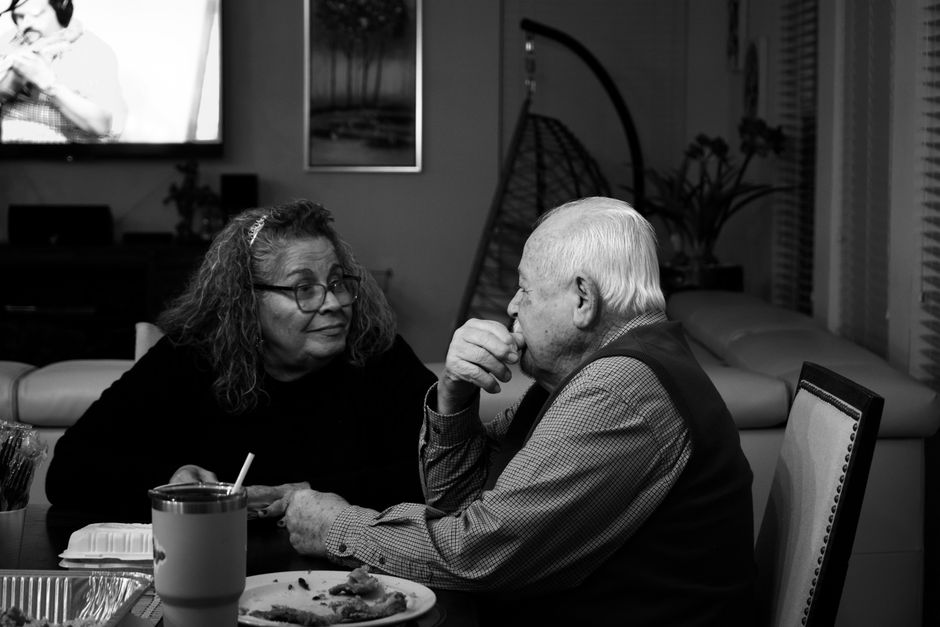
Assisted living can reduce senior isolation by creating regular opportunities for conversation, shared activities, meals, and supportive daily routines. Instead of relying entirely on occasional visits from relatives or neighbors, residents have access to a community where social contact is built into everyday life.
Isolation is more than simply spending time alone. An older adult may feel isolated even while living near other people if there are few meaningful conversations, limited mobility, hearing difficulties, or concerns about leaving home. Assisted living addresses these barriers by making social participation easier, more predictable, and less dependent on transportation or family availability.
For older adults in Meadville, PA, this can be especially relevant during winter weather, icy conditions, or periods when shorter daylight hours make travel and outdoor activities less appealing.
How does assisted living create daily opportunities for connection?
The structure of assisted living helps residents encounter other people throughout the day without having to arrange every interaction in advance. Shared dining areas, lounges, activity rooms, and hallways naturally create opportunities for brief conversations and familiar routines.
Common examples include:
- Eating meals with others rather than dining alone
- Greeting neighbors during morning or evening routines
- Joining scheduled exercise, craft, music, or discussion activities
- Spending time in shared outdoor or indoor gathering areas
- Participating in holiday, seasonal, or community events
- Talking with staff members who regularly know residents by name
These interactions may seem small, but repeated contact can help residents develop familiarity and trust. A person who is hesitant to join a large group may first become comfortable through short conversations with a neighbor or staff member.
Can assisted living help older adults who are shy or reluctant to participate?
Yes. Social support does not have to begin with large group activities. Many residents need time to adjust, especially after moving from a longtime home or experiencing a major change in health, mobility, or family circumstances.
Participation may start with a meal in a shared dining space, a short conversation, or an activity that matches an existing interest. Staff can often help introduce residents with similar hobbies, backgrounds, schedules, or communication styles.
A gradual approach may be more successful than expecting immediate involvement. Useful forms of support can include:
- Offering an invitation without pressure
- Explaining what an activity will involve
- Introducing a resident to one or two people rather than a large group
- Providing quieter activities for people who dislike crowds
- Allowing time for adjustment after a move
- Watching for signs that a resident prefers one-on-one interaction
The goal is not to make every person highly social. The goal is to help each resident find realistic forms of connection that feel comfortable and worthwhile.
What activities are most helpful for reducing loneliness?
Activities that encourage conversation, shared purpose, or repeated participation are often more helpful than entertainment alone. A performance or movie may be enjoyable, but activities that allow residents to interact can create stronger social ties.
Helpful options may include:
- Small-group card or board games
- Book, current-events, or history discussions
- Gentle movement and exercise classes
- Gardening, baking, or other hands-on projects
- Music, singing, or reminiscence activities
- Intergenerational visits
- Faith-based or reflective gatherings
- Resident-led clubs and interest groups
- Shared celebrations of birthdays and seasonal traditions
Familiar activities can be particularly valuable for residents living with memory changes. Repeated routines lower the pressure to learn something new and can make participation feel more comfortable.
Activities should also account for physical limitations, vision or hearing loss, and differences in energy levels. A social program is more useful when residents can participate without feeling embarrassed or excluded.
Does assisted living replace family contact?
No. Assisted living can supplement family relationships, but it does not replace them. Relatives often remain an important source of emotional support, personal history, advocacy, and reassurance.
A community setting may make family visits more meaningful because relatives do not have to provide every meal, transportation arrangement, or household task during a visit. Time together can focus more on conversation, shared interests, and emotional connection.
Family members can help by asking specific questions about daily life rather than only asking whether everything is fine. For example:
- Who have you enjoyed talking with recently?
- Which activities feel comfortable?
- Are there times of day when you feel most alone?
- Is there anything that makes joining activities difficult?
- Would you prefer visits in a quiet setting or during a group event?
Phone calls and video conversations may also help, although technology should not be assumed to be easy for everyone. Hearing, vision, memory, and internet access can affect whether remote communication feels helpful or frustrating.
How can staff recognize social isolation?
Staff may notice changes that family members do not see because they observe residents across different parts of the day. Possible warning signs include withdrawing from meals, stopping activities that were once enjoyable, remaining in the room more often, or showing increased sadness, irritability, anxiety, or confusion.
Isolation can also appear as physical complaints, disrupted sleep, reduced appetite, or a decline in personal care. These signs do not always mean loneliness; they may also indicate depression, medication effects, illness, pain, hearing loss, or another health concern.
A change in behavior deserves attention rather than dismissal as a normal part of aging. Staff and family members can compare observations, ask the resident directly about how they feel, and consider whether medical or behavioral health evaluation is needed.
What barriers can make social connection difficult?
Assisted living does not automatically prevent isolation. A resident may still feel lonely if activities do not match personal interests, communication needs, cultural preferences, or physical abilities.
Common barriers include:
- Hearing or vision loss
- Difficulty walking or using mobility equipment
- Transportation limits for off-site visits
- Depression, anxiety, or grief
- Language or communication differences
- Memory loss
- Conflict with other residents
- Feeling overwhelmed by large groups
- Few opportunities for private conversation
- Seasonal weather that limits outdoor plans
In Meadville, winter conditions may increase time indoors and make family travel more difficult. Communities can respond with indoor walking opportunities, flexible visiting arrangements, seasonal activities, and reliable communication options.
How can families support a socially connected transition?
Families can make the move easier by sharing information about the older adult’s interests, routines, personality, and previous social connections. Details about favorite music, hobbies, conversation topics, foods, or preferred activity times can help staff and residents find natural points of connection.
It also helps to avoid describing assisted living as a place where a person must be constantly active. Some older adults value quiet companionship, such as sitting with another person, sharing a meal, or listening to music together.
After the move, families can watch for patterns rather than judging the transition by the first few days. Adjustment may take time. Regular visits, consistent phone calls, and encouragement to try one manageable activity can support connection without creating pressure.
Assisted living is most effective at reducing isolation when social opportunities are accessible, varied, and respectful of individual preferences. Meaningful connection may come from a group activity, a familiar dining companion, a brief hallway conversation, or simply knowing that another person is nearby and available.
