
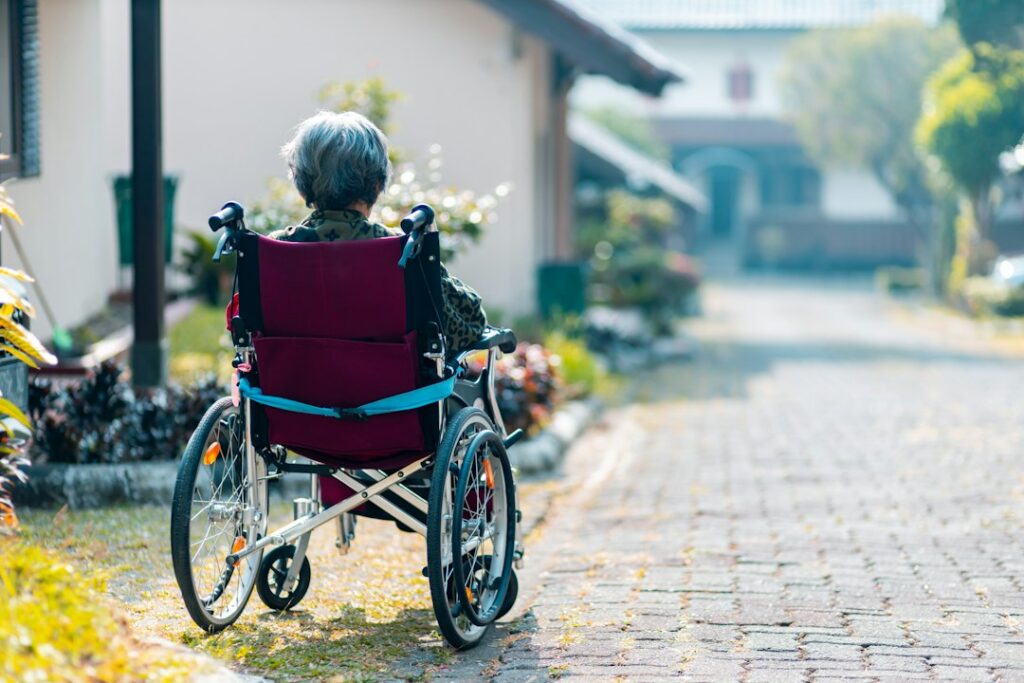
Why transportation planning matters in assisted living
Transportation helps assisted living residents remain connected to medical care, family, community activities, and everyday routines. A dependable plan can reduce missed appointments, limit isolation, and make outings safer and less tiring.
Transportation needs vary widely. Some residents walk independently, while others use walkers, wheelchairs, oxygen equipment, or mobility scooters. A person may also need help with balance, memory, hearing, communication, or getting in and out of a vehicle. The safest plan considers the whole trip, not only the ride itself.
In Meadville, winter weather, icy walkways, uneven pavement, and changing daylight can affect transportation plans. A short trip may take longer when sidewalks are slippery or when a vehicle must be parked farther from an entrance. Allowing extra time is often more helpful than trying to keep a tight schedule.
What types of transportation may be available?
Assisted living residents may use several transportation options, depending on their mobility, destination, schedule, and level of assistance.
Common options include:
- Transportation arranged through the assisted living community
- Rides from family members, friends, or trusted caregivers
- Public transportation, when routes and accessibility meet the resident’s needs
- Paratransit or demand-response transportation for eligible riders
- Medical transportation for appointments that require additional assistance
- Transportation provided by community or volunteer programs
Each option has different rules. Some services require advance reservations, eligibility paperwork, limited service areas, or specific pickup times. A ride may also provide transportation only, rather than assistance from a residence to a vehicle or from the vehicle into a building.
Before relying on a service, confirm whether it can accommodate a wheelchair, walker, portable oxygen, or another medical device. Ask whether the driver can assist with boarding, whether a companion may ride, and what happens if the vehicle is delayed.
How should a resident prepare for a medical appointment?
Medical transportation should be planned several days ahead whenever possible. The resident or family member should confirm the appointment time, expected length, address, entrance location, and any special mobility needs.
A useful appointment plan includes:
- Pickup time and a backup contact number
- The name and address of the destination
- Whether the resident needs door-to-door assistance
- Mobility equipment that will travel with the resident
- Insurance cards, identification, medication information, and appointment paperwork
- A plan for waiting after the appointment
- Transportation home if the visit runs longer than expected
Residents should avoid scheduling rides too close together. A medical appointment may involve check-in delays, testing, prescription questions, or a conversation with a clinician. A return ride scheduled immediately after the appointment can create unnecessary stress.
For residents with memory loss, transportation plans should be written in simple language and reviewed more than once. A calendar, printed itinerary, or reminder placed near the door may help. If the resident cannot safely wait alone, the plan should include a companion or supervised waiting arrangement.
What makes an outing appropriate and comfortable?
A good outing matches the resident’s interests and energy level. It does not need to be elaborate. A brief visit with family, a quiet meal, time at a library, attendance at a community event, or a scenic drive may be meaningful.
Consider these factors before leaving:
- Distance and travel time
- Restroom availability
- Seating and opportunities to rest
- Weather and temperature
- Noise, crowds, and lighting
- Walking surfaces and entrance access
- Medication schedules and meal times
- The resident’s usual energy level
- Whether the destination has a backup indoor plan
Residents who tire easily may enjoy several short outings more than one long excursion. A person with dementia may feel more comfortable visiting familiar places at quieter times. Someone who uses a wheelchair may need a route with level surfaces, wide doorways, and enough room to turn.
An outing should also allow for changes in mood or stamina. If a resident becomes uncomfortable, confused, short of breath, or unusually fatigued, returning early is a reasonable choice.
How can families make vehicle travel safer?
Vehicle safety involves more than fastening a seat belt. The resident should be positioned securely and comfortably, with mobility equipment stored so it cannot shift during travel.
Before departure, check that:
- The vehicle can accommodate the resident and mobility equipment
- The seat belt fits properly and is not twisted
- The resident’s feet are supported
- Clothing, blankets, or bags do not interfere with the belt
- The vehicle temperature is comfortable
- Necessary medications, water, and emergency contact information are available
- The driver knows the planned route and destination entrance

A walker should not be used as a substitute for a vehicle handhold unless it is properly positioned on the ground. When transferring into a vehicle, rushing can increase the risk of falls. The resident should have time to stand, turn, sit, and settle safely.
Wheelchairs and scooters should be secured according to the equipment and vehicle manufacturer’s instructions. A loose device can move during sudden braking, even on a short trip.
How does weather affect transportation in Meadville?
Seasonal conditions can change transportation safety quickly. Snow, ice, freezing rain, and wet leaves may make curb areas and parking lots hazardous. Cold weather can also increase stiffness and make transfers more difficult.
For winter outings, allow time for:
- Clearing snow and ice from walkways
- Finding a safe loading area
- Wearing footwear with good traction
- Protecting exposed skin from cold temperatures
- Checking whether the destination entrance is open and accessible
- Delaying the trip if conditions are unsafe
Summer heat also requires planning. A resident may become dehydrated or fatigued while waiting outside. Rides should be timed to limit exposure to high temperatures, and water should be available when appropriate.
Weather decisions should account for the entire route. Conditions may be acceptable at the residence but worse at the destination or during the return trip.
What should happen if a ride is late or canceled?
Every regular transportation plan should include a backup. Keep the transportation provider’s phone number, the appointment location, and an emergency contact in an easy-to-find place.
If a ride is late, the resident should remain in a safe, supervised area rather than waiting outside near traffic or an icy curb. If the trip involves a medical appointment, notify the office as soon as possible. The appointment may need to be adjusted or rescheduled.
For recurring transportation, record delays and cancellations. A pattern may show that the pickup window is too narrow, the route is unreliable, or the resident needs a different type of assistance.
How can residents maintain independence?
Independence does not always mean traveling alone. It may mean helping choose the destination, checking the schedule, carrying a small bag, or deciding when a break is needed.
Residents can participate by:
- Selecting preferred outing times
- Keeping a personal transportation calendar
- Preparing identification and essential items
- Practicing safe transfers
- Learning how to use an emergency phone feature
- Telling family or staff when a ride feels uncomfortable or confusing
Transportation plans work best when they respect both safety and personal choice. The goal is not to eliminate every risk, but to identify predictable challenges and prepare for them before leaving home.
